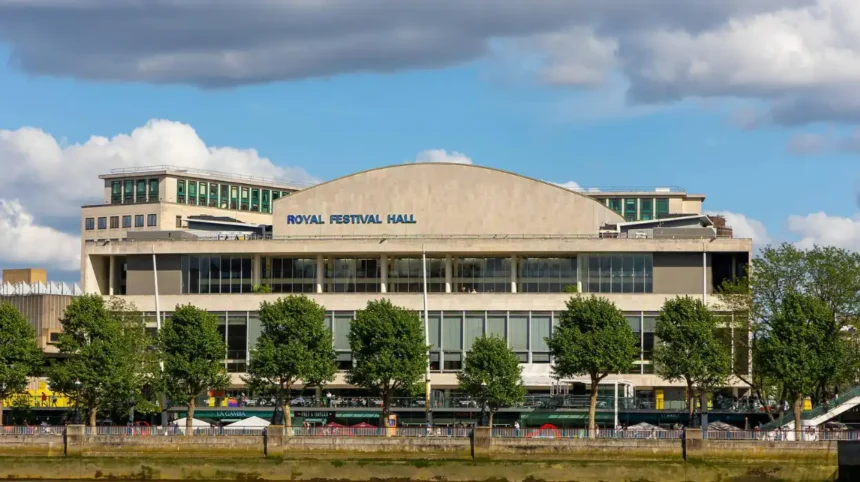
Lambeth is one of South London’s strongest destinations for live music, with major concert halls, internationally recognised venues, independent clubs, grassroots stages and multi-purpose cultural spaces. The borough connects the South Bank with Brixton, creating a live-music geography that covers classical concerts, jazz, rock, soul, reggae, hip-hop, electronic music, global sounds and emerging artists.
- What makes Lambeth an important live music destination?
- Where can visitors hear major concerts at the Southbank Centre?
- Where can visitors see large touring artists in Brixton?
- Where can visitors find reggae, soul, jazz and global music in Brixton?
- Where can visitors discover emerging bands in Brixton?
- Where can visitors experience live gigs and global sounds at Brixton Jamm?
- What types of live music can visitors hear in Lambeth?
- How does Lambeth’s cultural diversity shape its live music scene?
- How can visitors plan a live music evening in Lambeth?
- Is Lambeth suitable for visitors seeking free live music?
- How accessible are Lambeth’s main live music venues?
- Which part of Lambeth is best for a live music visitor?
- How does Lambeth’s live music scene support future cultural tourism?
- What should visitors check before attending live music in Lambeth?
- What is the overall live music experience in Lambeth?
Lambeth’s cultural offer reflects its population and urban structure. Lambeth Council records a resident population of about 318,000, with 63% of residents identifying their ethnicity as something other than White British. Around 41% of residents are aged 20–39. This demographic and cultural diversity supports a broad music ecosystem serving residents, visitors and international audiences.
The borough also has a strong creative-industry foundation. Lambeth Council’s research into the Brixton Creative Enterprise Zone identified a defined cluster of music venues in Brixton town centre and found that music venues, including pubs hosting live music, represented nine of the ten largest rate payers within the relevant creative-industry analysis.
For visitors, the main live-music areas are the South Bank and Brixton. South Bank focuses heavily on established cultural institutions and large-scale performances. Brixton combines major touring concerts with independent venues, emerging artists, club nights and culturally diverse music programming.
What makes Lambeth an important live music destination?
Lambeth offers live music across major concert halls, historic theatres, independent clubs and grassroots venues. Visitors can hear classical concerts, rock, jazz, soul, reggae, electronic music, hip-hop and emerging artists in Southbank, Brixton and surrounding neighbourhoods throughout the year locally.
Lambeth’s live-music identity comes from the combination of established cultural infrastructure and smaller music spaces.
The South Bank provides the borough’s most prominent concentration of formal performance venues. The Southbank Centre includes Royal Festival Hall, Queen Elizabeth Hall and Purcell Room. These spaces support classical music, jazz, contemporary music, electronic performances, talks and multidisciplinary cultural events.
Brixton provides a different model. The area has a dense network of music venues, pubs, clubs, creative workspaces and recording facilities. Lambeth Council’s Brixton Creative Enterprise Zone research describes music as a major part of the area’s creative strength and identifies venues including Brixton Academy, Brixton Jamm and other music spaces.
This concentration makes Lambeth suitable for different visitor profiles. A classical-music visitor can attend Royal Festival Hall. A touring rock or pop audience can visit O2 Academy Brixton. Visitors seeking emerging artists can choose Windmill Brixton. Those looking for global, reggae, soul, jazz or electronic sounds can explore Hootananny Brixton and Brixton Jamm.
Lambeth Music Service adds another layer to the borough’s musical infrastructure. The council-supported service provides music education for young people and works with schools, community groups and other organisations. Its programme includes instrumental tuition and performances at major venues such as the Southbank Centre.
Where can visitors hear major concerts at the Southbank Centre?
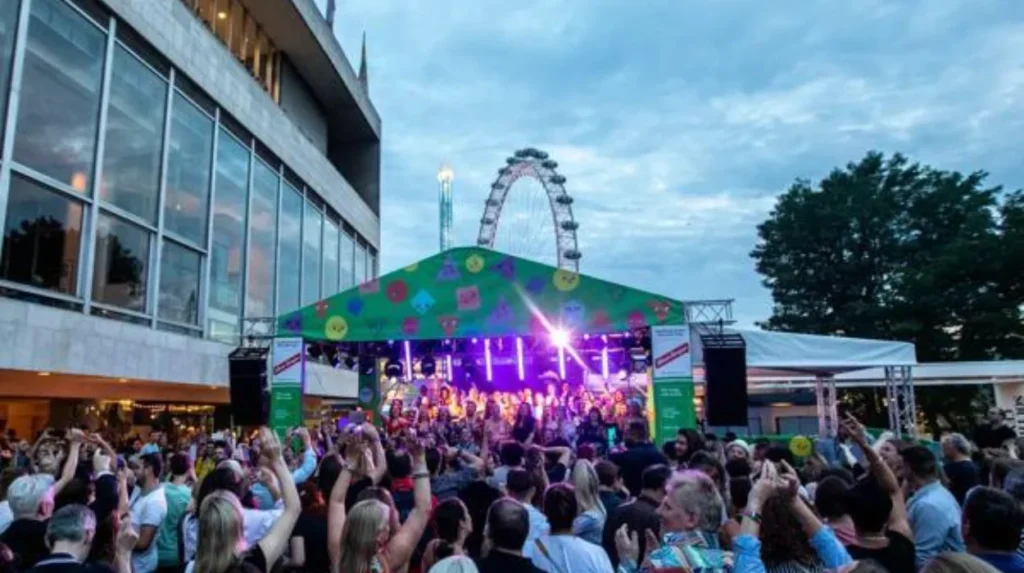
Southbank Centre is Lambeth’s strongest choice for cultural concerts, with Royal Festival Hall, Queen Elizabeth Hall and Purcell Room. The complex presents classical music, jazz, contemporary gigs, electronic performances and community programmes across several scales and formats throughout the calendar.
The Southbank Centre is located beside the River Thames and has been a major London arts destination since the Festival of Britain in 1951. Its principal performance buildings create one of the most important concentrations of live music venues within Lambeth.
Royal Festival Hall
Royal Festival Hall is the largest auditorium within the Southbank Centre. It has a capacity of 2,700 and opened as part of the 1951 Festival of Britain. The building is Grade I listed and remains a major venue for classical music and other large performances.
Its musical history includes performances by major composers, orchestras and artists. The venue hosted Ravi Shankar from 1958 and Igor Stravinsky in 1965. Elton John performed there in 1972, including the live debut of “Rocket Man”.
The Royal Festival Hall also has a significant public-access tradition. The Greater London Council’s Open Foyer policy introduced in 1983 expanded public access to the building and enabled free foyer activities, including lunchtime concerts and evening jazz performances.
The building is therefore relevant to both ticketed concert audiences and visitors exploring the South Bank during the day.
Queen Elizabeth Hall
Queen Elizabeth Hall provides a smaller auditorium than Royal Festival Hall and has a broader contemporary performance profile. The Southbank Centre describes it as a venue for gigs, dance, performance, talks and classical music.
Its architectural and musical history also connects with experimental music. In 1968, the hall hosted the First London Concert of Electronic Music by British Composers, involving electronic pioneers including Delia Derbyshire, Peter Zinovieff and Tristram Cary.
Visitors interested in contemporary and experimental programming therefore have a strong reason to check Queen Elizabeth Hall alongside Royal Festival Hall.
Purcell Room
Purcell Room provides a more intimate performance environment. Its programme includes literature, poetry, classical music, jazz and electronic music.
This smaller scale is useful for visitors who prefer chamber performances, jazz and contemporary programming rather than arena-style concerts.
The Southbank Centre also operates the Clore Ballroom within Royal Festival Hall. The space supports music and cultural events and forms part of the wider visitor experience.
The Southbank Centre is celebrating its 75th anniversary throughout 2026, marking the institution’s origins in the 1951 Festival of Britain.
As you explore the modern South Bank music scene, you are crossing land with a deep cultural heritage. Read the full to understand its origins.
Where can visitors see large touring artists in Brixton?
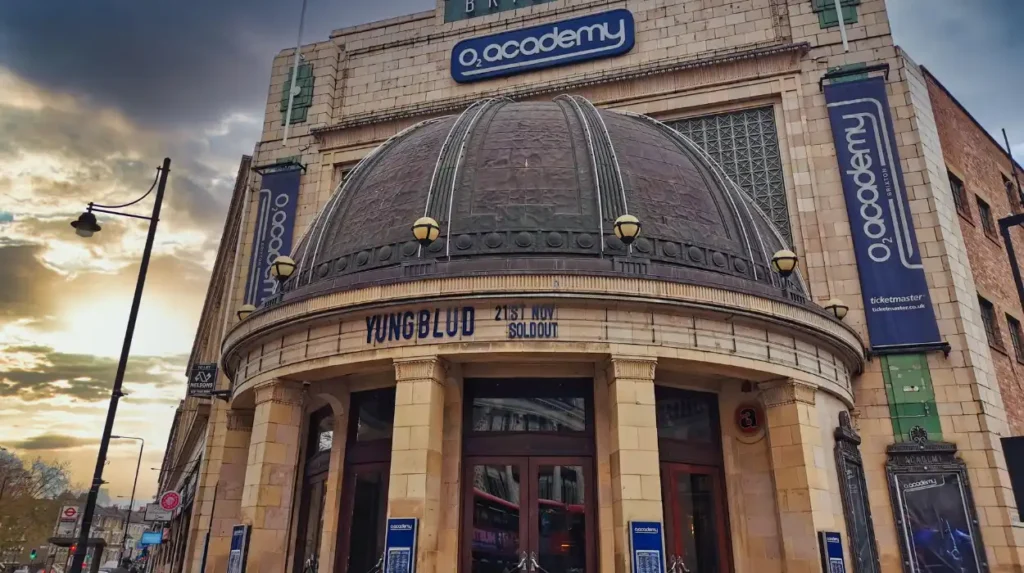
O2 Academy Brixton is Lambeth’s large-scale live music venue, occupying a Grade II listed building that opened as the Astoria in 1929. Its programme covers established touring artists, club nights and other large public performances throughout the year for visitors.
O2 Academy Brixton is one of the best-known live music venues in Lambeth. The building is Grade II listed and has a distinctive Art Deco interior, curved ceiling and large fixed stage.
The building opened on 19 August 1929 as the Astoria. Its original programme included cinema and variety entertainment. It later operated as the Sundown club before reopening as Brixton Academy in 1983.
The venue has hosted artists including Amy Winehouse, Rihanna, Lady Gaga, Kings of Leon, The Clash, Blur, Coldplay and Florence and the Machine. These performances established the venue as an important stop for major touring artists.
The O2 Academy is particularly suitable for visitors looking for a conventional concert experience. Touring schedules often include rock, pop, alternative music, hip-hop, electronic acts and other contemporary genres.
Ticket planning is important because popular concerts sell quickly. The venue states that Ticketmaster is its official booking partner and that tickets can be purchased online.
Visitors should also check the venue’s current access, security and bag requirements before travelling. The venue recommends planning the journey and checking accessibility information before arrival.
The building’s historical importance adds another dimension to a concert visit. Its transformation from cinema and variety venue into a major music venue demonstrates how Brixton’s entertainment infrastructure has evolved over almost a century.
Where can visitors find reggae, soul, jazz and global music in Brixton?
Hootananny Brixton provides a grassroots-style live music experience on Effra Road. Its programme spans reggae, highlife, soul, jazz, folk, electronic music, hip-hop and global sounds, alongside club nights, free sessions, food and a beer garden across the week regularly.
Hootananny Brixton is located at 95 Effra Road. The venue was established in September 2007 and has developed a broad music programme covering genres such as jungle, disco, post-punk, reggae, highlife, house and electronic music.
Its programming is particularly relevant for visitors seeking music beyond mainstream touring concerts. Recent listings demonstrate the range of styles presented at the venue, including jazz, ambient, folk, Latin American music, soul, Afrobeat and contemporary electronic sounds.
The venue also supports free music sessions. Its High Times Jam programme has featured jazz fusion and instrumental performers, while other listings include free music events and community-focused sessions.
Hootananny also has a beer garden and food offering, allowing visitors to combine live music with an evening social setting. Its garden has hosted regular DJ sessions during seasonal programming.
Accessibility information is available from the venue. Hootananny states that Brixton Underground station is approximately 0.5 miles away and Brixton railway station approximately 0.7 miles away. It also provides information about step-free areas, assistance dogs, accessible arrival and respite spaces.
Visitors should check individual event information before travelling because entry requirements, event times and accessibility arrangements differ by performance.
Where can visitors discover emerging bands in Brixton?
Windmill Brixton is a key destination for discovering emerging artists and new bands. The venue programmes live music seven nights a week and runs free New Music Monday events, giving visitors access to developing acts and intimate performances in Brixton.
Windmill Brixton occupies a smaller-scale position within Lambeth’s music ecosystem. The venue states that it aims to provide quality live music seven nights a week.
Its New Music Monday programme is particularly relevant for visitors who want to discover artists before they reach larger stages. The event has featured new bands and side projects, with free entry for some performances.
The venue’s listings demonstrate a strong emphasis on independent and developing music. Recent events have included alternative rock, pop and new artists performing relatively intimate gigs.
Windmill Brixton is also useful for visitors who want a more compact live-music setting. Smaller venues provide direct access to emerging performers and allow audiences to explore music outside major commercial touring circuits.
The venue provides accessibility information, including a ramp available on request, level access after entry, an accessible toilet and a viewing area for wheelchair users. Personal assistants can also receive free tickets under the venue’s stated arrangements.
Event age restrictions and performance conditions vary, so visitors should check the individual listing before attending.
Where can visitors experience live gigs and global sounds at Brixton Jamm?
Brixton Jamm combines live gigs, club nights and outdoor programming in a multi-space venue on Brixton Road. Its live calendar covers international artists, emerging performers, hip-hop, electronic music, gospel, global sounds and community-led cultural events and festivals throughout the year.
Brixton Jamm is located at 261 Brixton Road and describes itself as a multi-space venue supporting live gigs, club nights, day parties and other events. The venue has operated as part of Brixton’s cultural and music scene for almost two decades.
Its music programme is broad. Current and recent listings include live hip-hop, gospel, global music, electronic music and performances connected with different diaspora communities.
The venue has several spaces, including a club area, courtyard, beach-style outdoor space and bar. This allows programming to move between concert-style performances, DJ events and daytime cultural activities.
Brixton Jamm is also relevant for visitors interested in international and multicultural music. Its programme includes events associated with Afro-Caribbean, African, South Asian, Latin and other global musical traditions.
This reflects Brixton’s wider cultural character. Lambeth Council identifies Brixton as a major creative cluster with music venues, recording studios, artist studios and related creative businesses.
Visitors should distinguish between a live gig and a DJ-led club night when selecting an event. Brixton Jamm hosts both formats, and its official listings identify event categories and performance details.
What types of live music can visitors hear in Lambeth?
Lambeth’s live music covers a wide spectrum because its venues serve different audiences and performance formats.
Classical music has a strong presence at Royal Festival Hall and Purcell Room. The Southbank Centre is home to major orchestral performances and chamber music, while smaller spaces support jazz and contemporary programming.
Rock and alternative music have a strong association with O2 Academy Brixton and Windmill Brixton. The two venues operate at different scales. O2 Academy Brixton focuses heavily on established touring artists, while Windmill Brixton provides a platform for emerging bands.
Jazz appears across several parts of the borough. Southbank Centre programmes jazz in formal concert settings, while Hootananny has hosted jazz fusion and related live sessions.
Global music is particularly visible in Brixton. Hootananny’s listings include Afrobeat, highlife and Latin-influenced performances, while Brixton Jamm hosts events connected with global and diaspora music cultures.
Electronic music also forms part of Lambeth’s history. The Southbank Centre hosted an early London concert of electronic music in 1968, while contemporary Brixton venues continue to programme house, jungle, drum and bass, UK garage and other electronic genres.
This range means visitors can select music according to venue scale, genre, audience and time of day.
How does Lambeth’s cultural diversity shape its live music scene?
Lambeth’s cultural diversity provides an important context for its music scene. The council records that 63% of residents identify their ethnicity as other than White British, while around 40% of residents were born outside the UK according to council market-position research.
The borough has significant populations with connections to Africa, the Caribbean, Europe and the Americas. Lambeth Council’s health profile recorded nearly 80,000 Black residents in its 2022 profile, representing approximately 23% of the population at that time.
These demographic characteristics are reflected in the range of music presented in Brixton.
Afrobeat, highlife, reggae, soul, gospel, dancehall, jazz, Latin music and electronic genres all feature in local programming. The result is a music environment where international and local influences coexist within a relatively compact geographic area.
Brixton’s cultural infrastructure also supports music production, not only performance. Lambeth’s Creative Enterprise Zone research identified recording studios, artist workspaces and music-related businesses alongside performance venues.
For visitors, this means the local music scene is not limited to headline concerts. It includes smaller artists, community events, DJs, independent promoters, recording professionals and emerging performers.
How can visitors plan a live music evening in Lambeth?
Visitors should choose the venue according to the type of performance rather than selecting a location first.
For a major classical concert, Royal Festival Hall provides the clearest choice. Queen Elizabeth Hall and Purcell Room provide alternatives for contemporary, jazz and smaller-scale performances.
For a large touring concert, O2 Academy Brixton is the principal destination. Visitors should check the event age requirement, ticket availability, doors time and venue access information before travelling.
For independent and emerging music, Windmill Brixton provides an established small-venue option. Its New Music Monday events are particularly relevant for visitors interested in discovering new acts.
For global sounds, reggae, soul, jazz and mixed-format nights, Hootananny provides a broad programme. Its official calendar should be checked for the latest genre, ticket and entry information.
Brixton Jamm is appropriate for visitors seeking a combination of live gigs, club nights and outdoor events. Its programme changes frequently, so the official listings provide the most reliable information about individual performances.
Is Lambeth suitable for visitors seeking free live music?
Free music is available in parts of Lambeth, particularly through community programming, foyer activities and selected independent-venue events. Availability depends on the individual programme and should be checked before travelling.
The Southbank Centre has a long history of free public cultural activity. Its Open Foyer policy introduced in 1983 expanded public access and supported free exhibitions and music programming within Royal Festival Hall.
Windmill Brixton also runs selected free events, including New Music Monday performances. The venue states that free entry does not guarantee admission when capacity is reached, making early arrival important for popular events.
Hootananny has also hosted free music sessions and free-entry programming, including jazz and other live performances.
Free events provide a useful option for visitors with limited entertainment budgets, but they require the same planning as ticketed events. Visitors should verify the date, start time, age restriction and entry conditions.
How accessible are Lambeth’s main live music venues?
Accessibility varies between venues and individual events, so visitors should check the official accessibility information before attending.
Royal Festival Hall is part of the Southbank Centre’s accessible visitor infrastructure, with venue information available for individual spaces and events. The Southbank Centre also provides detailed visitor information for its buildings and performances.
O2 Academy Brixton publishes dedicated accessibility information and recommends that visitors plan accessibility requirements before arrival.
Windmill Brixton provides a ramp on request, level access after entry, an accessible toilet and a viewing area for wheelchair users. The venue also offers free personal-assistant tickets under its stated arrangements.
Hootananny provides an accessibility guide covering arrival, transport, assistance dogs, toilets, respite space and strobe lighting. The venue states that an accessible toilet is not available inside the venue but identifies an alternative arrangement nearby.
Visitors with specific access requirements should contact the venue before purchasing or attending a ticket. This is particularly important for standing concerts, late-night events, strobe-heavy performances and venues with historic building layouts.
Which part of Lambeth is best for a live music visitor?
Brixton is the strongest choice for visitors who want several live-music options within one neighbourhood. The area contains major touring venues, smaller independent stages, clubs, pubs and music-related creative businesses.
The South Bank is the strongest choice for visitors prioritising established cultural institutions. Royal Festival Hall, Queen Elizabeth Hall and Purcell Room provide a concentrated programme of classical, jazz, contemporary and multidisciplinary performances.
O2 Academy Brixton suits visitors attending a specific major artist or touring concert. Its international reputation and long performance history make it one of Lambeth’s most recognisable music destinations.
Windmill Brixton suits visitors who prefer emerging bands and smaller performances. Hootananny suits visitors looking for diverse global sounds and a more informal music setting. Brixton Jamm suits visitors interested in the overlap between live music, DJs, club culture and outdoor events.
The best choice therefore depends on the visitor’s music preference, event date, budget, age requirements and preferred venue scale.
How does Lambeth’s live music scene support future cultural tourism?
Lambeth’s combination of established institutions, independent venues and creative businesses gives its live music scene long-term relevance for cultural tourism.
The Southbank Centre continues to operate as a major cultural institution, with its 75th anniversary programme running throughout 2026. Its history demonstrates the continued role of Lambeth’s South Bank in national and international cultural programming.
Brixton has a different but complementary role. Lambeth Council’s creative-enterprise research identified music venues, recording studios, artist workspaces and related businesses as important components of the local creative economy.
The combination creates a complete music ecosystem. Large venues attract established touring artists. Smaller venues provide development opportunities for emerging performers. Recording facilities support music production. Community programmes connect music education with public performance.
Lambeth Music Service contributes to this pipeline by providing music education and performance opportunities for young people. The council states that the service works with schools and community organisations and supports performances at prestigious venues including the Southbank Centre.
For visitors, this creates more than a collection of individual concerts. Lambeth provides a connected cultural landscape where historic venues, modern concert halls, grassroots spaces, music education and creative businesses operate within the same borough.
Explore More Area Guide
Best Festivals and Events in Lambeth 2026
Best Lambeth Neighbourhoods to Explore in South London 2026
What should visitors check before attending live music in Lambeth?
Visitors should check the official venue listing for the exact event date, performance time, ticket status, age requirement, accessibility arrangements, entry conditions and transport information.
Event schedules change regularly. A venue that hosts live music throughout the week can still have specific dates dedicated to club nights, private events, comedy, screenings or other cultural programming.
Visitors should also distinguish between doors time and performance time. Large concerts often open doors before the headline performance, while smaller venues frequently operate with several acts on one bill.
Age restrictions also vary. Some performances are suitable for younger audiences, while many club nights and late-night events are restricted to adults.
Transport planning is particularly important for evening performances. Brixton and South Bank both have strong public-transport connections, but the final departure time should be checked after the performance.
For visitors attending O2 Academy Brixton, the venue specifically advises audiences to plan their journey and check transport and accessibility information before arrival.
For Southbank Centre visitors, Waterloo and Embankment are among the principal nearby Underground connections, while numerous bus routes serve the wider South Bank area.
Checking official information before departure provides the most reliable way to avoid outdated event details.
What is the overall live music experience in Lambeth?
Lambeth provides one of South London’s most varied live music environments, combining major cultural institutions with established concert venues, independent stages and grassroots music spaces.
The Southbank Centre is the principal destination for classical music, jazz, contemporary performance and major cultural concerts. Royal Festival Hall, Queen Elizabeth Hall and Purcell Room provide different performance scales within one cultural complex.
O2 Academy Brixton provides large-scale touring concerts in a Grade II listed building with a history stretching back to 1929.
Hootananny Brixton provides reggae, highlife, soul, jazz, electronic and global music programming in a more informal setting.
Windmill Brixton focuses strongly on emerging performers and independent music, including free New Music Monday events.
Brixton Jamm adds live gigs, global music, club nights and multi-space programming to the local landscape.
Together, these venues give visitors multiple ways to experience live music in Lambeth. The borough supports major concerts, intimate gigs, emerging artists, community performances and culturally diverse music throughout the year. For a visitor planning a South London cultural itinerary, Lambeth provides a clear combination of music, heritage and contemporary performance within a compact urban area.
Where can I enjoy live music in Lambeth?
Lambeth has several major and independent live music venues. The Southbank Centre, O2 Academy Brixton, Hootananny Brixton, Windmill Brixton and Brixton Jamm are among the main destinations for concerts and live performances.